How to Notarize Documents for Someone in a Hospital or Nursing Home: Special considerations for mobile notary services in healthcare facilities.
by WetInk | Oct 19, 2025 | BLOG, Hospitals
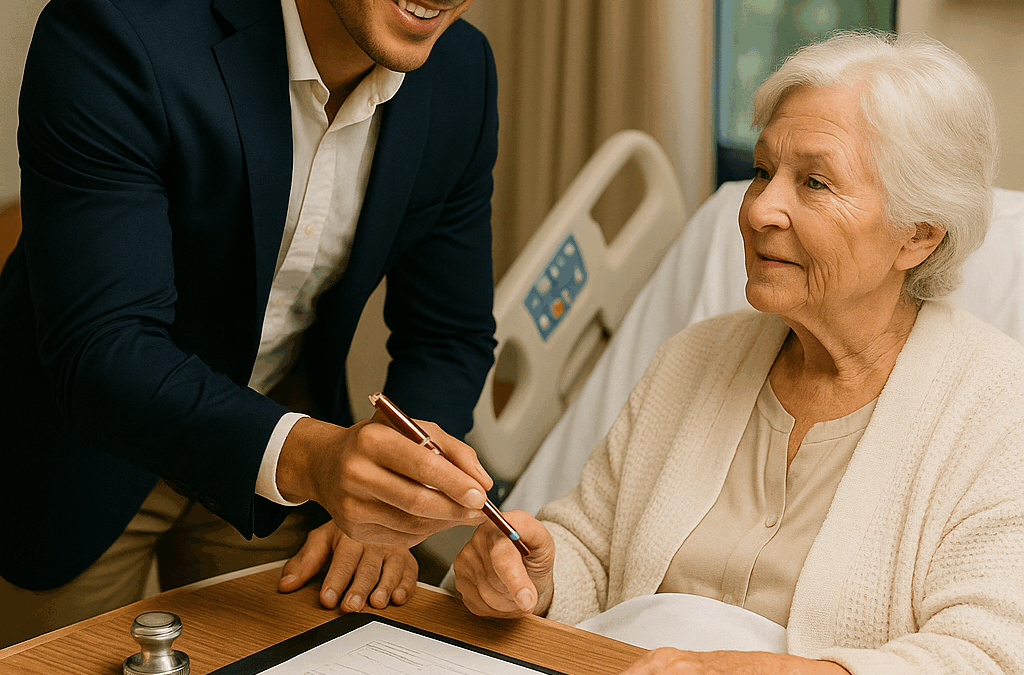
- Verifying Patient Identity and Capacity: First, the notary must confirm the signer’s identity through valid government-issued ID. Additionally, they must assess the patient’s mental capacity to understand the document. This may involve communicating with healthcare staff. Ultimately, the goal is to ensure the patient is alert and able to provide informed consent.
- Coordinating with Healthcare Facility Staff: Mobile notaries should work closely with nurses, administrators, and family members. Together, they can schedule visits during appropriate times. Specifically, this means when the patient is most alert and comfortable. Furthermore, understanding visiting hours, infection control protocols, and facility security procedures is essential.
- Privacy and HIPAA Compliance: Healthcare facilities have strict privacy requirements. Therefore, notaries must conduct signings in private settings when possible. Moreover, they must maintain confidentiality regarding any patient information they may encounter.
- Understanding the Unique Challenges: Notarizing documents in hospitals and nursing homes requires sensitivity and flexibility. In addition, adherence to healthcare facility protocols is crucial. For instance, patients may have limited mobility or cognitive considerations. Furthermore, medical equipment may require special accommodations.
- Common Documents Notarized in Healthcare Settings: These often include advance healthcare directives and powers of attorney. Additionally, living wills, medical consent forms, and estate planning documents are common. Property transfers also frequently occur. Moreover, time-sensitive situations frequently arise in these environments.
- Wet Ink Notary: Your Trusted Partner in Southern California: Wet Ink Notary specializes in providing compassionate, professional mobile notary services. Specifically, we serve patients in healthcare facilities throughout Southern California. We understand the sensitive nature of hospital and nursing home visits. Therefore, we bring expertise, patience, and respect to every appointment.
- Proven Experience Across Major Healthcare Facilities: Our team has successfully served patients at numerous locations. For example, we’ve worked at San Antonio Regional Hospital and Loma Linda Medical Center. Additionally, we serve Kaiser Fontana, Kaiser Ontario, and City of Hope. We also visit Queen of the Valley and Pomona Valley Hospital. Furthermore, we work at numerous rehabilitation facilities across the region. As a result, we’re familiar with facility protocols. Consequently, we work seamlessly with healthcare staff.
- What Sets Wet Ink Notary Apart: We prioritize prompt response times for urgent situations. In addition, we offer flexible scheduling to accommodate patient needs and medical schedules. Moreover, we bring all necessary equipment to ensure a smooth signing process. Furthermore, our notaries are trained to work with patients who have special needs or medical conditions.
- Emergency and After-Hours Availability: Healthcare situations don’t always arise during business hours. Therefore, Wet Ink Notary offers emergency and after-hours services. This ensures that critical documents can be notarized when needed most. As a result, we provide peace of mind to patients and their families.
- How to Schedule a Hospital or Nursing Home Visit: First, contact Wet Ink Notary to discuss your specific needs. Next, we’ll coordinate with the healthcare facility and verify visiting requirements. Then, we’ll schedule a convenient time. Ultimately, our goal is to make the notarization process as stress-free as possible. After all, we understand this can be a challenging time.