
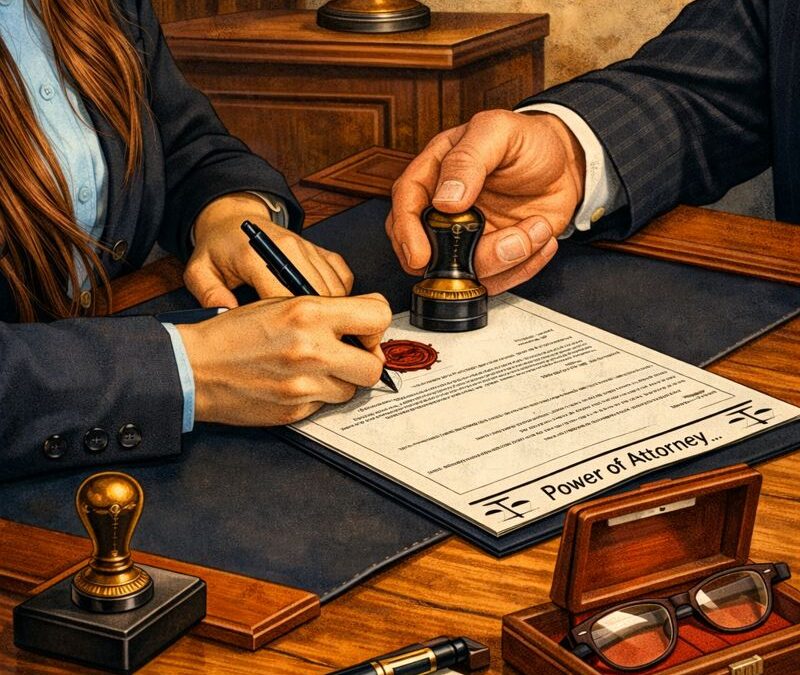
How to Properly Notarize Legal Documents for Court Use in California
A comprehensive guide for attorneys, paralegals, and legal professionals to ensure court-ready notarization and avoid costly rejections
Why Proper Notarization Matters for Court Documents
When legal documents are submitted to California courts, improper notarization is one of the most common reasons for rejection. For attorneys and paralegals managing tight deadlines, a rejected filing can mean missed court dates, delayed proceedings, and frustrated clients.
Understanding California’s specific notarization requirements—as outlined in the California Secretary of State Notary Public Handbook—is essential for ensuring your documents are accepted the first time.
Essential Requirements for Notarizing Court Documents in California
1. Valid Notarial Certificate
Every notarized document must include a properly completed notarial certificate. California recognizes several types:
- Acknowledgment: Used when the signer acknowledges they signed the document voluntarily
- Jurat: Required when the signer must swear or affirm the truthfulness of the document’s contents
- Proof of Execution: Used when a subscribing witness verifies the signature
The certificate must include:
- The venue (county and state where notarization occurred)
- Date of notarization
- Notary’s signature and seal
- Notary’s commission expiration date
- Type of identification used or statement that signer is personally known
2. Proper Identification Requirements
California law requires notaries to verify signer identity using specific forms of identification:
- California driver’s license or ID card
- U.S. passport
- Inmate identification card (issued by CDCR)
- Valid foreign passport with valid U.S. visa
Critical for attorneys: Expired IDs are generally not acceptable, even if recently expired. Plan ahead to ensure clients have current identification.
3. Notary Seal Requirements
The notary’s official seal must be:
- Clearly legible and photographically reproducible
- Contain the notary’s name exactly as commissioned
- Include “Notary Public,” the state seal, and the county name
- Show the commission expiration date
Courts frequently reject documents with smudged, incomplete, or illegible seals.
Common Notarization Errors That Lead to Court Rejection
Incomplete or Missing Venue
The venue statement (e.g., “State of California, County of Los Angeles”) must be complete and accurate. Missing or incorrect venue information will result in rejection.
Using the Wrong Certificate Type
Selecting an acknowledgment when a jurat is required—or vice versa—is a frequent error. Verify which certificate type your document requires before notarization.
Backdating or Future-Dating
The notarization date must reflect the actual date the notarial act occurred. Backdating is illegal; future-dating will cause rejection.
Missing Signatures or Seals
Both the notary’s signature and official seal must appear on every notarial certificate. One without the other is insufficient.
Notarizing Without Physical Presence
Unless conducting a properly authorized remote online notarization (RON), the signer must appear before the notary in person. California courts will reject documents notarized without proper presence.
Special Considerations for Different Document Types
Affidavits and Declarations
These documents typically require a jurat, as the signer must swear or affirm under oath that the contents are true. Using an acknowledgment instead will result in rejection.
Deeds and Contracts
Real property documents usually require an acknowledgment. Confirm the specific requirements with the court or recording office.
Powers of Attorney
California powers of attorney must be notarized with an acknowledgment and may require additional witness signatures depending on the type and purpose.
Proofs of Service
These typically require a jurat, as the server is swearing to the truth of the service statement.
Step-by-Step: Ensuring Court-Ready Notarization
Before the Notarization Appointment
- Verify document completeness: Ensure all signature lines are identified and the document is complete except for signatures
- Determine certificate type needed: Acknowledgment, jurat, or other
- Confirm signer identity documents: Ensure clients bring acceptable, current ID
- Check for special requirements: Some courts have specific notarization or formatting requirements
During the Notarization
- Verify signer identity: Examine ID carefully and document type used
- Ensure voluntary signing: Confirm the signer understands the document and is signing willingly
- Watch the signature: The signer must sign in the notary’s presence (for jurats) or acknowledge their signature (for acknowledgments)
- Complete the certificate fully: Fill in all blanks, including date, venue, and identification information
- Apply seal clearly: Ensure the seal is legible and doesn’t obscure text
- Sign and date: Notary signs exactly as commissioned
After Notarization
- Review for completeness: Check that all certificate fields are filled in
- Verify seal legibility: Ensure the seal is clear and complete
- Make copies if needed: Keep copies for your records before filing
- File promptly: Submit to court within required timeframes
California-Specific Rules Attorneys Should Know
Credible Witnesses
If a signer lacks acceptable ID, California allows notarization based on the oath of one credible witness personally known to the notary, or two credible witnesses not personally known to the notary. This option requires specific certificate language.
Signature by Mark
If a signer cannot write their signature, they may sign by mark (e.g., “X”). This requires two witnesses in addition to the notary, and specific certificate wording.
Notarization for Non-English Speakers
If the signer doesn’t speak English, the notary must be able to communicate directly with the signer in a language both understand. If a translator is used, the notary cannot proceed unless the notary can independently verify the signer understands the document.
Remote Online Notarization (RON)
California authorizes RON under specific conditions. However, verify whether your specific court accepts RON-notarized documents, as acceptance varies.
Quick Reference Checklist for Court Document Notarization
- [ ] Document is complete except for signature lines
- [ ] Correct certificate type is attached or identified
- [ ] Signer has acceptable ID that is current and valid
- [ ] Venue is complete (State of California, County of _____)
- [ ] Date is accurate and reflects actual notarization date
- [ ] Type of ID is documented in the certificate
- [ ] Notary signature is present and matches commission
- [ ] Notary seal is clear, complete, and legible
- [ ] All certificate blanks are filled in—no empty fields
- [ ] Commission expiration date is included and current
Resources and References
- California Secretary of State Notary Public Handbook — Official guidance on notarization requirements
- California Government Code §§ 8200-8231 — Notary Public statutes
- Local court rules — Always verify specific court requirements for document filing
Conclusion: Avoiding Court Rejection Starts with Proper Notarization
For attorneys and paralegals in California, understanding proper notarization procedures is not just about compliance—it’s about protecting your clients’ interests and maintaining efficient legal proceedings. By following California’s notarization requirements and using this checklist, you can ensure your court documents are accepted the first time, every time.
When in doubt, consult the California Secretary of State Notary Public Handbook or work with an experienced California notary public who understands court document requirements.